About Cora Howard.
About Cora Howard
This work came from living it.
I had already survived a lot by the time the doctor stepped out of the room to show me my daughter's tumor on the screen. Two C-sections. My own seasons of postpartum anxiety. The loss of my mother. Years of pivoting in business — always working around the mind, always asking why some people fall apart and never come back while others, against all odds, do.
I had a degree in Business with a concentration in Human Resources. What started as viewing people through a lens of structure quietly became something else entirely — watching two people sit side by side, same salary, same manager, same circumstances, and wondering: why is one driven and one isn't? I came to believe the answer wasn't logic. It was emotion. We are not moved by reason. We are moved by what we feel at the deepest level of who we are.
But seeing that tumor confirmed it. My world stopped.
I did something most parents don't. I told her the truth. I didn't want to lie to her. But I told her to believe. We rocked out to "Don't Stop Believin'" on the hard days. We talked about things I never thought I would have to talk about with a five year old. They told us she would need her right kidney removed and would live with only the left one. Every night we watched courageous children ring that bell. I told her to imagine the day — all the way down to what she would wear. And that day came true.
I never let her give up on herself or on the possibility of what she wanted. Was I scared? Of course. That's normal. But did I believe in the core of my being that she was going to be okay — that she was going to keep some of that kidney? Yes. I never stopped believing. It was the one thing I asked anyone who wanted to pray for her to pray for.
Her surgery got pushed back. They were able to save it. She is now a thriving seven-year-old, cancer free, with 60% of her right kidney intact.
"What happens after the hard thing?"
32 more weeks of chemo. Aggressive tumor cells. And at the end of it all, she told me one place she wanted to go when she was cancer free and her port was removed. I told her: when your mind holds an emotion that is deeply soulful, energy has a place to move. Give it somewhere to go.
That is the question I now bring to every person who walks through Threshold's doors. Not "how do you feel?" — but "what do you want to happen now that your life has changed?" Because along the way, life changes our identity. Parent. Spouse. Widow. Survivor. Laid off. Divorced. And we continue living in a way that isn't fulfilling, because we forgot who we were underneath all of it.
Everything I teach comes from lived experience — grounded in thinkers like the Tao, Dr. Joe Dispenza, and Neville Goddard, rooted in the philosophies that came before modern therapy. At Threshold, I don't tell you how to feel or what comes next. I just guide you there. Exactly the way I guided my daughter — until the day she rang that bell.
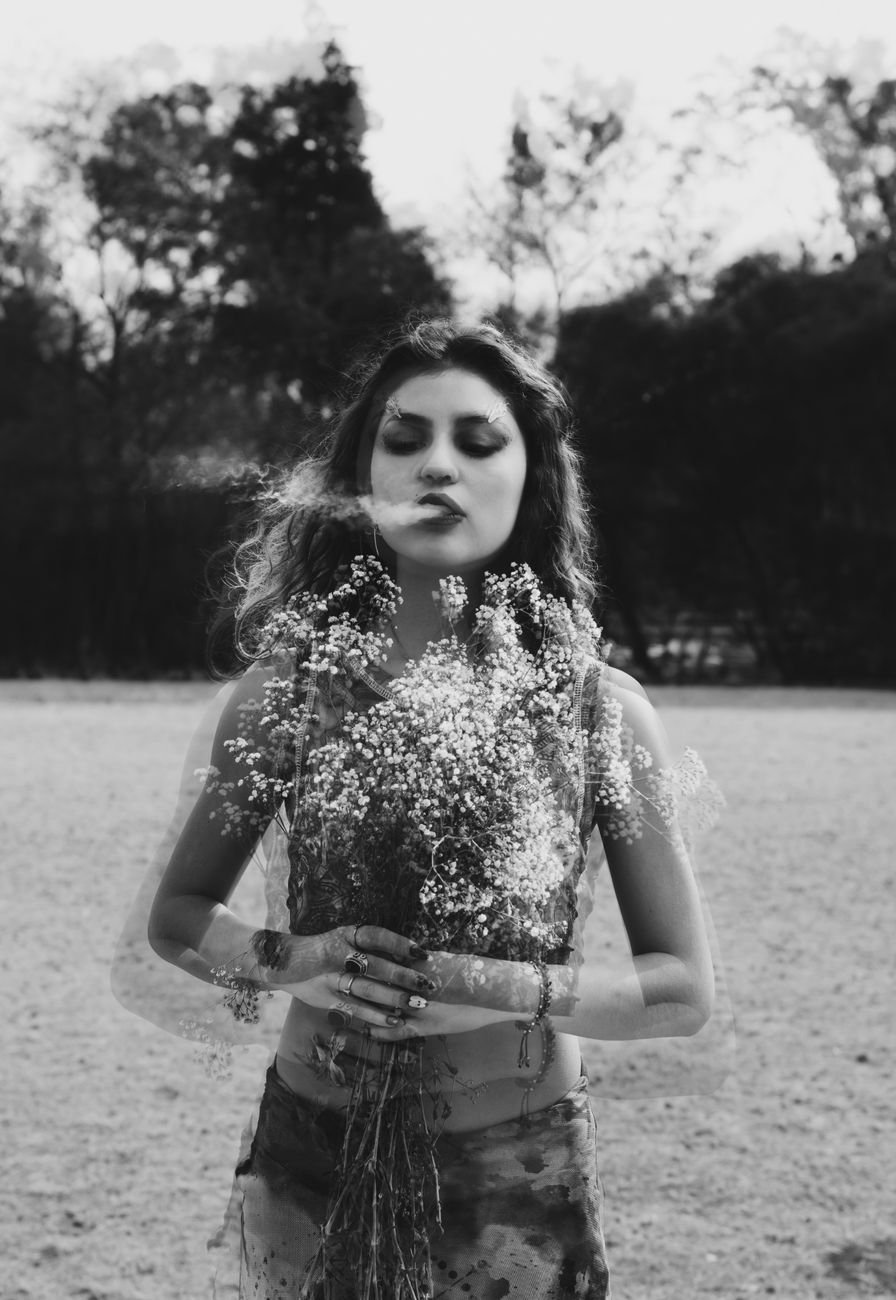
Threshold retreats are held in intimate, deliberately non-institutional settings — away from the pace of ordinary life, without being remote or dramatic.
What Cora stands for
What this work is built on.
Emotions are not problems to solve.
I stand against any ideology that tells you to run from your emotions or forget they exist. I stand against the belief that something is wrong with you because you cannot contain or control what you feel. Your emotions have the floor, the spotlight, and the applause. No matter how painful. No matter how shameful. They are not a disease to manage. They are information.
Creativity is the bridge back home.
Creativity is not a hobby. It is the light turning on in the part of yourself you forgot existed. When you are living inside the aftermath of THAT day, the intuitive, creative part of you goes quiet. Creativity is what wakes it back up. Not as art. As remembering.
Your story belongs to you.
Not to the moment that created it. Not to the people who witnessed it. To you. The pivotal moment didn't break you. It has been pointing you back to who you always were. When you pick up the key that unlocks the book of your life, what you write next changes everything.
Choosing yourself is not selfish.
When you choose yourself, everyone around you feels it. The cycle that has been repeating, quietly and invisibly, finally stops. This is not indulgence. This is where the work begins.